
Rapunzel
Turkey Project
Organic pioneer since 1976
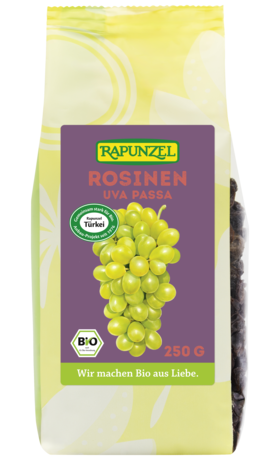
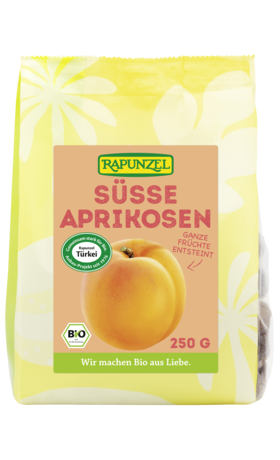
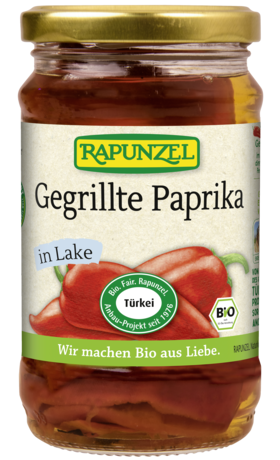
In 1976, Rapunzel founder Joseph Wilhelm set out for Turkey in search of natural dried fruits and nuts. This journey gave rise to one of Rapunzel's most important agricultural projects: a long-term partnership with organic farming families, featuring on-site advisory support and processing consistently aligned with organic quality.
How it all began
What sounds obvious today was genuine pioneering work back then: organic dried fruit and organic nuts were hardly available in the 1970s. So Rapunzel founder Joseph Wilhelm set out on his own — and found farming families and partners in Turkey who were ready to forge new paths. Through numerous conversations, initial trials and growing trust, the Rapunzel Turkey Project was born.


What makes the project special

Direct partnership
Rapunzel works directly with farming families. Fair prices, organic premiums, agreed purchase volumes and advance payments where needed create reliability.

On-site advice
Our permanent agricultural engineers support farming families year-round – from organic cultivation and plant protection to composting, pruning techniques and harvest advice.

Quality from the very start
Our own quality assurance in Turkey, analyses in Germany and external laboratories ensure product quality from the field to export.

Traceability
Farmer codes on Rapunzel crates make the origin traceable – from the product all the way back to the farming families and their fields.
Rapunzel's subsidiary as a model operation
Rapunzel Organik Tarim in Ören
Since 1997, Rapunzel has operated its own subsidiary, Rapunzel Organik Tarim, in Ören near Izmir. This location brings together numerous project activities—from storage and processing to quality assurance and training. The site is fully committed to organic principles and processes exclusively organic products.



Organic makes a difference — for the environment and biodiversity too
For Rapunzel Naturkost, organic cultivation does not end at harvest. In Turkey, composting, biodiversity, biological plant protection measures and reforestation activities are integral parts of the project. Step by step, this creates an agricultural approach that considers soil, plants, animals and people as a whole.